Patient guide
Tooth sensitivity: causes and what helps
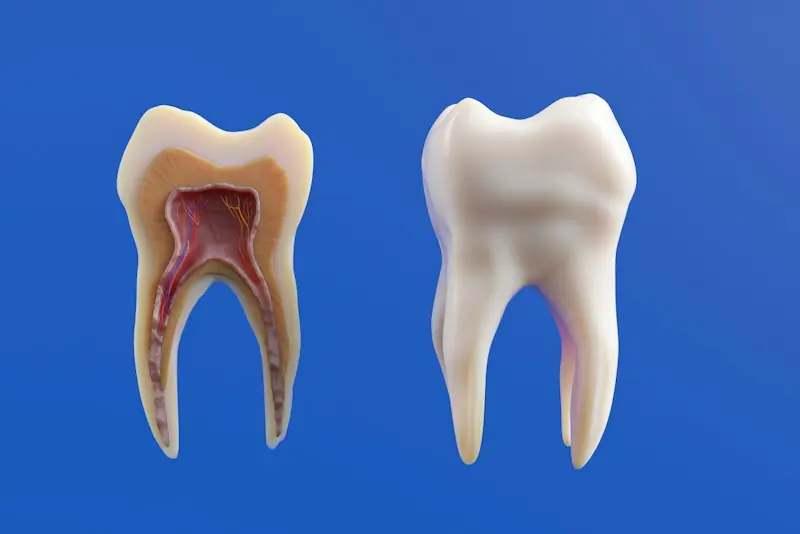
Sensitive teeth give a short, sharp pain with cold drinks, ice cream, sweets or even cold air. It usually happens when the inner layer of the tooth (dentine) is exposed. Most sensitivity can be managed, but it is worth finding the cause, because the same feeling can come from a cavity or a cracked tooth.
Reviewed by Dr. Sharifa B, BDS ·

Common causes
- Brushing too hard or with a hard-bristled brush, which wears the enamel near the gum
- Receding gums that expose the root surface
- Acidic food and drinks: soft drinks, citrus, pickles, frequent lime water
- Grinding or clenching the teeth, often at night
- Cavities, a broken filling or a cracked tooth
- Short-term sensitivity after cleaning, whitening or a new filling
Everyday habits that help
- Use a soft toothbrush and gentle, small circular strokes
- Use a toothpaste made for sensitive teeth twice a day, for at least a few weeks
- After brushing, spit out the toothpaste but do not rinse heavily
- Have acidic drinks with meals, use a straw, and rinse with water afterwards
- Wait about 30 minutes after acidic food before brushing
What a dentist can do
- Find the cause: cavity, crack, worn area or gum recession
- Apply a fluoride varnish or a desensitising coating
- Cover worn or exposed areas with a tooth-coloured filling
- Suggest a night guard if you grind your teeth
- Treat gum disease, or in some cases suggest gum surgery
How long before it improves?
A toothpaste for sensitive teeth usually takes two to four weeks of twice-daily use to work fully, and it keeps working only while you continue using it. If there is no improvement after four weeks, or the sensitivity is getting worse, see a dentist to check for a cavity, a crack or gum problems that need treatment.
When sensitivity points to something more
See a dentist soon if:
- Pain lasts more than a few seconds after the cold or hot is removed
- One tooth hurts more than the others, or hurts when you bite
- Pain starts on its own or wakes you at night
- You notice swelling, a hole or a dark spot on the tooth
Frequently asked questions
Is tooth sensitivity permanent?
Not usually. With the right toothpaste, gentler brushing and treatment of the cause, most people improve within a few weeks.
Can sensitivity be a sign of a cavity?
Yes. Sensitivity in one tooth, especially with sweets, can be an early cavity. A dental check can confirm it.
Does whitening cause sensitivity?
Whitening often causes temporary sensitivity that settles after treatment ends. Tell your dentist if you already have sensitive teeth before whitening.