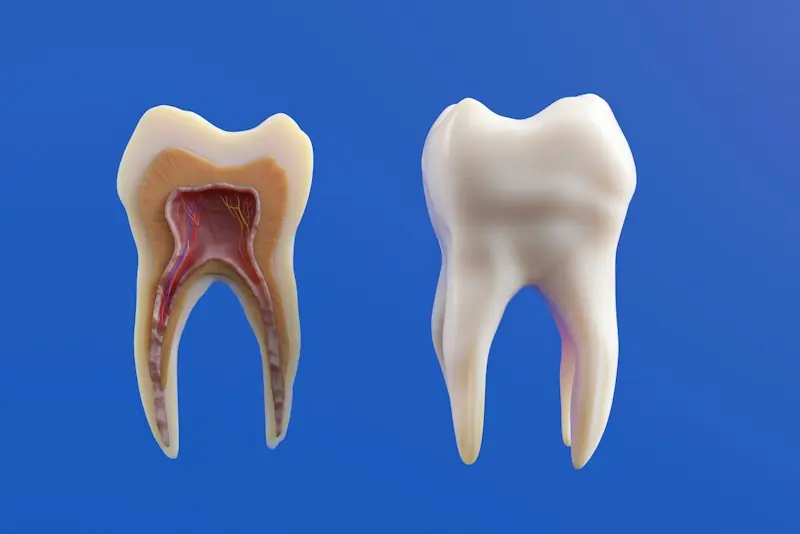
Children's teeth
Guidance for your child's teeth
Children's teeth change quickly, and it is not always easy to tell what is normal. A short online consultation can help you understand what you are seeing, what you can do at home, and whether your child needs to visit a dentist soon.
Reviewed by Dr. Sharifa, BDS ·
Common concerns parents ask about
- White, brown or black spots on milk teeth
- Tooth pain or swelling in a young child
- Teething discomfort and disturbed sleep
- Thumb sucking, dummy use and crooked teeth
- When to start brushing with toothpaste, and how much to use
- Bleeding gums or bad breath in older children
Why milk teeth matter
Milk teeth hold space for the permanent teeth and help with eating and speech. Decay in milk teeth can cause pain and infection, and can affect the permanent teeth developing underneath, so it is worth having it checked rather than waiting for the tooth to fall out.
Everyday habits that protect children's teeth
- Brush twice a day with fluoride toothpaste: a smear the size of a grain of rice for children under 3, and a pea-sized amount from 3 years
- Help or supervise brushing until about 7 or 8 years of age
- Keep sweet snacks and drinks to mealtimes rather than all through the day
- Avoid putting a child to sleep with a bottle of milk or juice
- Plan a first dental check-up around the first birthday or when the first teeth appear
Teething: what is normal
Teething can make babies irritable, drool more and want to chew. A clean, chilled (not frozen) teething ring and gentle gum massage with a clean finger often help. High fever, diarrhoea or a rash are not explained by teething alone, so speak to your child's doctor if these appear.
See a dentist in person promptly if
Your child has:
- Facial swelling or fever with tooth pain
- A knocked-out or broken permanent tooth after a fall (seek care immediately; keep a knocked-out permanent tooth in milk)
- Pain that stops them eating or sleeping
Frequently asked questions
Can my child join the video call?
Yes, with a parent or guardian present throughout. Photos of the teeth taken in good light are very helpful.
My child's permanent tooth is coming in behind a milk tooth. Is that a problem?
This is common in the lower front teeth and the milk tooth often loosens on its own. If it does not, or there is pain, a dentist can advise whether it needs to be removed.
Are cavities in milk teeth worth treating?
Often yes, to prevent pain and infection. The right approach depends on the child's age, the tooth and how soon it is due to fall out.