Tooth pain
Tooth pain: what it may mean and what to do next
Tooth pain has many causes, from simple sensitivity to decay that has reached the nerve. The right next step depends on what kind of pain you have, how long it has lasted and whether there is swelling. This guide helps you understand the signs and act at the right time.
Reviewed by Dr. Sharifa, BDS ·
Common causes of toothache
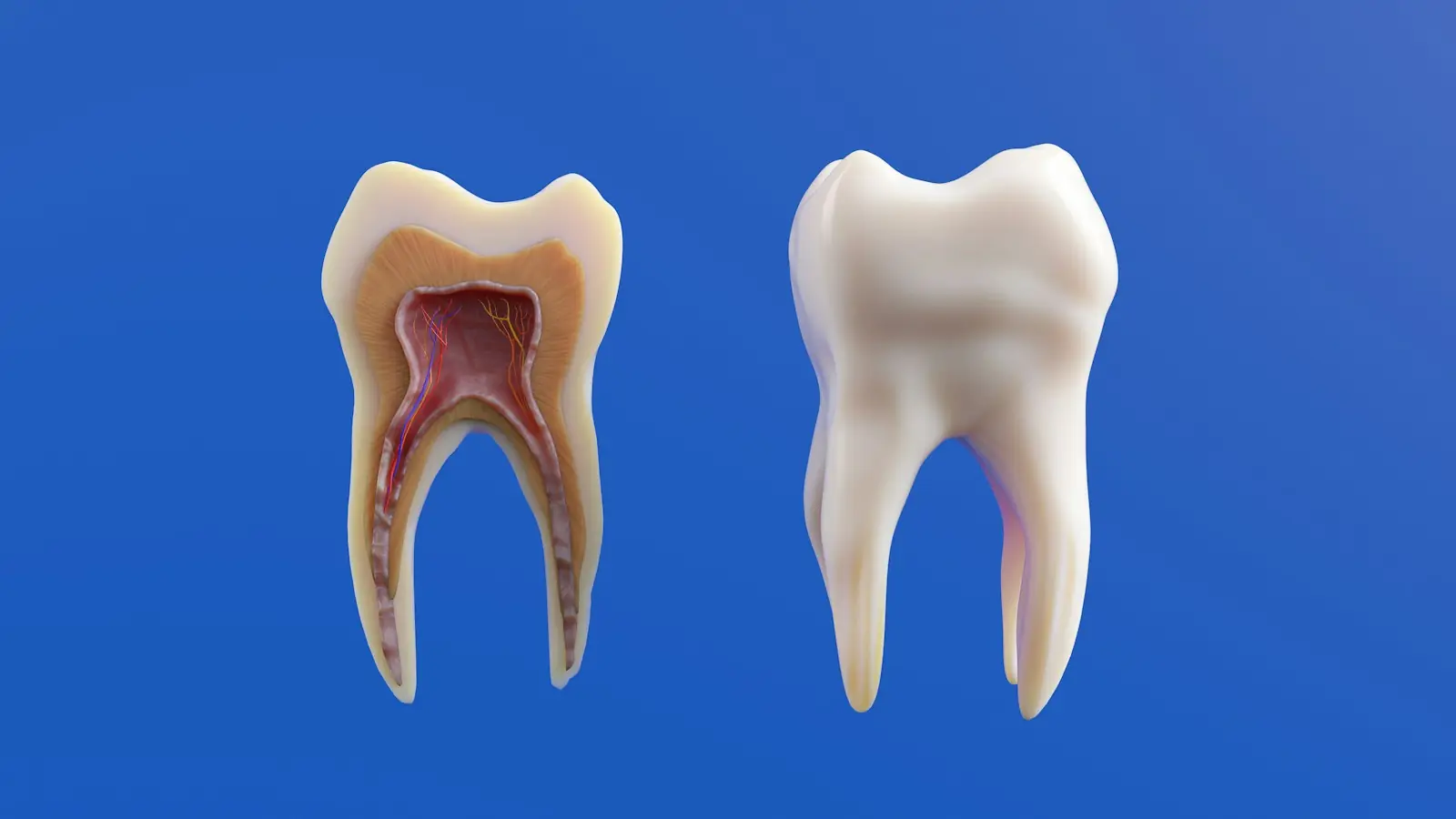
- Tooth decay (cavities) reaching the deeper layers of the tooth
- A cracked or broken tooth, or a filling that has worn or fallen out
- Gum infection, or food packing between teeth
- Sensitivity from worn enamel, grinding or receding gums
- A wisdom tooth coming through at the back
- Sometimes sinus congestion, which can feel like pain in the upper back teeth
What different kinds of pain can suggest
These are patterns, not a diagnosis. A dentist can narrow down the cause from your description and photos, and an examination or X-ray confirms it.
- A short, sharp twinge with cold or sweet food that settles quickly often points to sensitivity or early decay.
- Pain that lingers after hot or cold, or throbs on its own, can mean the nerve is inflamed.
- Pain when biting may come from a crack, a high filling or infection around the root.
- A dull ache with swollen, bleeding gums is more often a gum problem.
Safe things you can do today
These steps may ease discomfort but do not treat the cause. Pain that keeps returning usually means the tooth needs attention, and treating it early is often simpler.
- Rinse gently with warm salt water
- Clean carefully around the tooth with a soft brush and floss to remove trapped food
- Avoid very hot, cold or sweet food on that side
- Use a cold compress on the cheek for swelling, for short periods
- Do not place tablets, cloves or anything caustic directly on the gum, as this can burn it
When to get help quickly
Talk to a dentist promptly if:
- The pain wakes you at night or lasts more than a day or two
- There is swelling of the gum or face
- You notice a bad taste, pus or a pimple-like bump on the gum
- You have fever along with tooth pain
- Swelling spreads to the eye or neck, or you have trouble swallowing or breathing: go to a hospital immediately
Frequently asked questions
Why is tooth pain worse at night?
Lying down changes blood flow to the head and there are fewer distractions, so throbbing pain can feel stronger. Night pain is a reason to get the tooth checked soon.
Can an online dentist tell me what is wrong?
A dentist can often narrow down the likely cause from your description and photos and tell you how urgent it is. Confirming the cause may need an in-person examination or X-ray.
If the pain stops, is the problem gone?
Not always. Pain from a decayed tooth can stop when the nerve inside dies, while infection continues. It is still worth having the tooth checked.