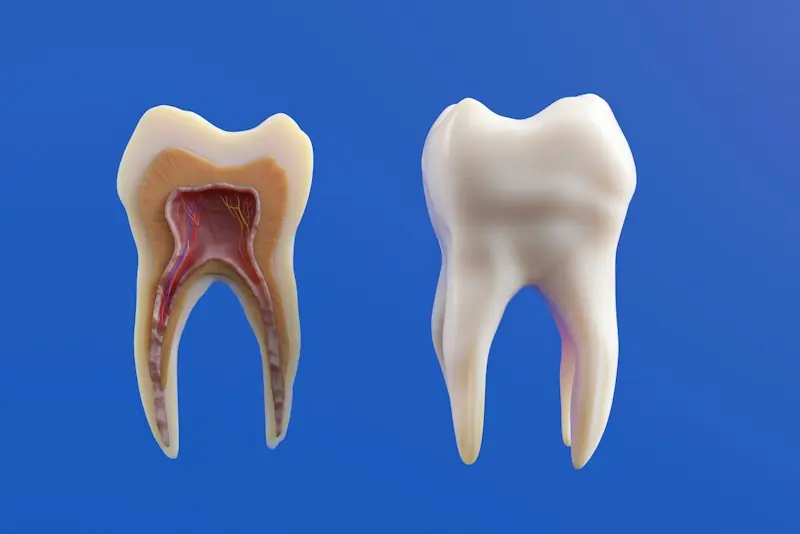
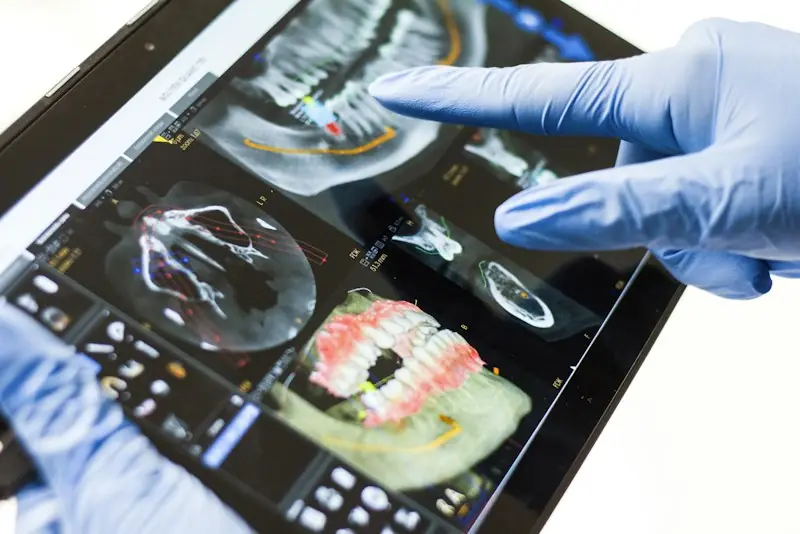
Wisdom tooth
Wisdom tooth pain: when removal may be needed
Wisdom teeth usually come through in the late teens or twenties. Some erupt without any trouble; others are partly trapped (impacted) against the tooth in front or in the bone, and cause repeated pain or gum infection.
Reviewed by Dr. Sharifa, BDS ·
Signs a wisdom tooth may need attention
- Pain or swelling behind the last molar
- Difficulty opening the mouth fully
- Food getting trapped, bad breath or a bad taste
- Repeated episodes of gum infection around a partly erupted tooth
- Decay in the wisdom tooth or the tooth in front of it
Not every wisdom tooth needs removal
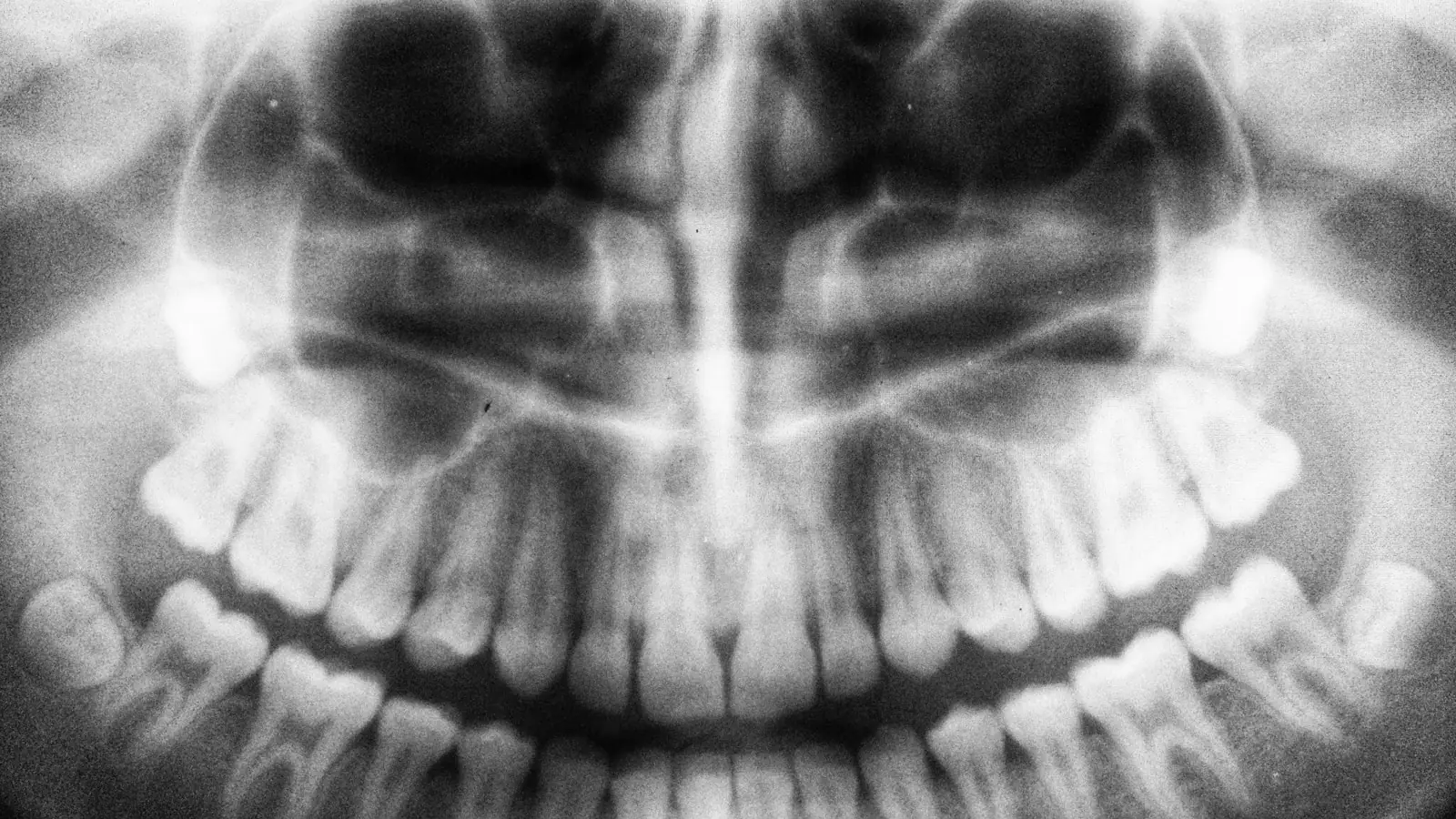
Whether a wisdom tooth should be removed depends on its position, how much trouble it is causing, and its relationship to nearby nerves and teeth. A healthy wisdom tooth that has come through fully and can be cleaned may simply be monitored. An OPG X-ray is usually needed to plan any removal.
Easing a flare-up while you arrange care
- Rinse gently with warm salt water after meals
- Clean around the area carefully with a soft brush
- Choose soft foods and chew on the other side
- Seek care promptly if swelling increases, you cannot open your mouth, or you develop fever
Questions to ask if removal is advised
- Why does this tooth need to come out, and what happens if I wait?
- Is it a simple extraction or a surgical one, and who will do it?
- How close is the root to the nerve on the X-ray, and is any further scan needed?
- What recovery should I expect, and how much time off might I need?
Recovery after removal, in general
- Some swelling and stiffness for a few days is common and usually peaks around the second or third day
- Follow your dentist's instructions on rinsing, eating and avoiding smoking, which slows healing
- Increasing pain several days later, a bad taste or fever can mean the socket needs to be checked
Keeping a wisdom tooth you do not remove
If you and your dentist decide to keep a wisdom tooth, clean it carefully with a small-headed brush angled towards the back, and have it checked at routine visits. Problems such as decay on the tooth in front can develop quietly, so occasional X-rays may be advised.
Frequently asked questions
What is an OPG?
An OPG is a single X-ray that shows all the teeth and jaws. It helps a dentist see how a wisdom tooth is positioned.
Should all four wisdom teeth be removed together?
Not necessarily. Each tooth is assessed on its own. Sometimes it is convenient to remove more than one at a time; sometimes only the problem tooth needs attention.
Can you review my OPG online?
Yes. Upload it for a second opinion and the dentist will explain what it shows and what questions to ask.