Root canal
Advised a root canal? Understand it before you decide
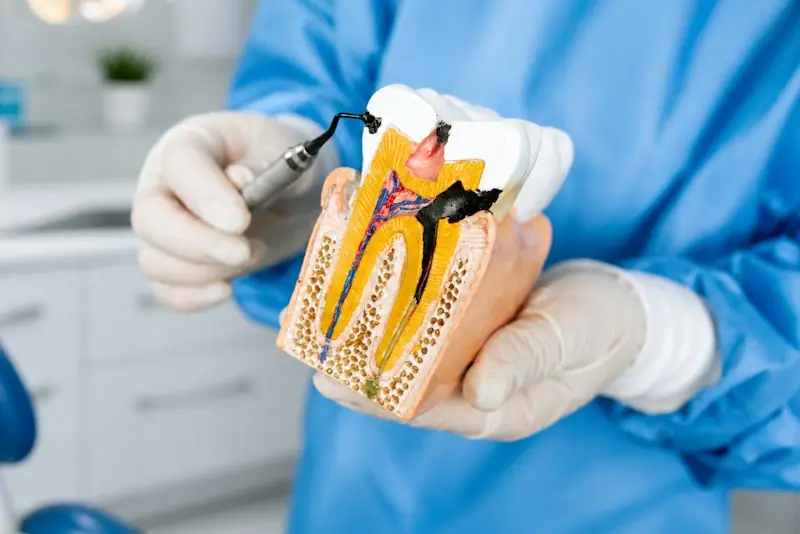
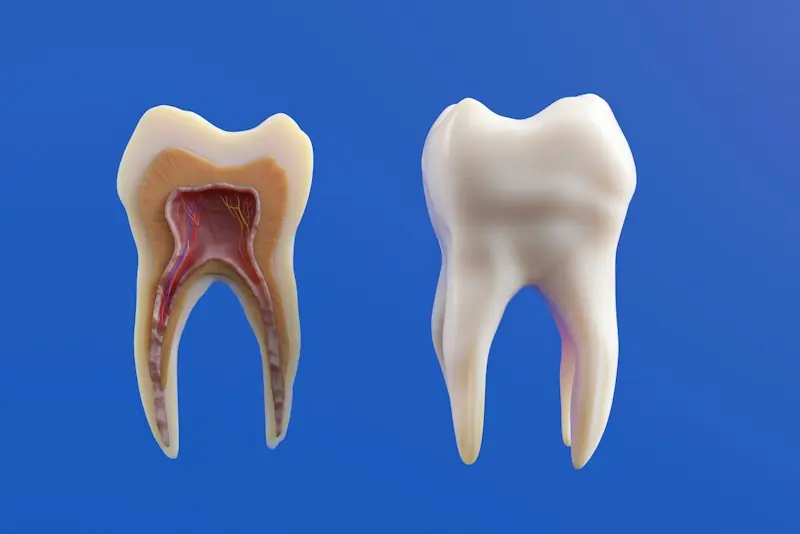
Root canal treatment aims to save a tooth whose inner pulp is inflamed or infected. It is a common, well-established treatment, but it takes time and money, so it is reasonable to want to understand why it is recommended for you and what the alternatives are.
Reviewed by Dr. Sharifa, BDS ·
Why a root canal is usually suggested
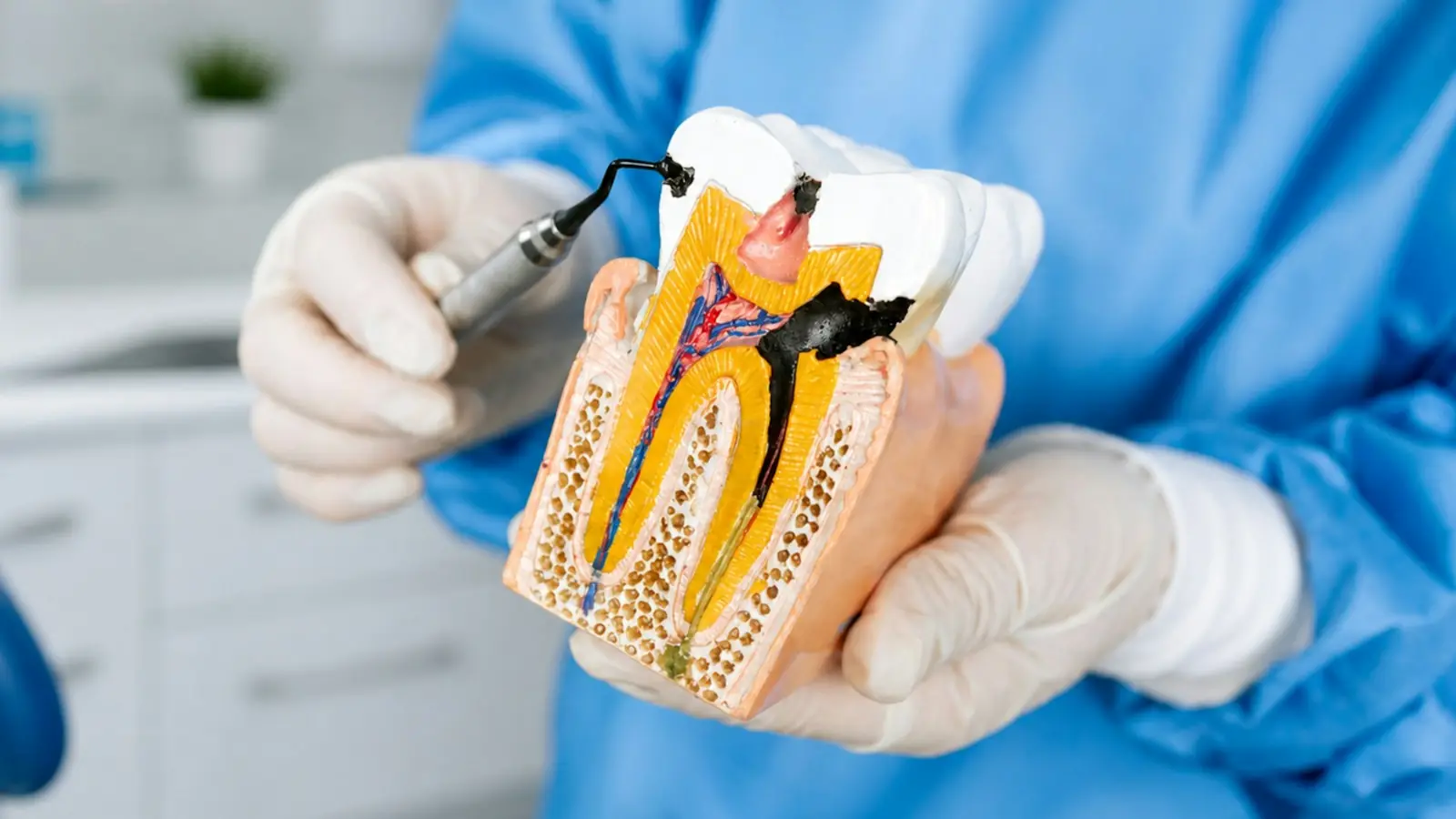
- Deep decay that has reached the pulp (the nerve and blood vessels inside the tooth)
- Lingering pain to hot or cold, or pain that wakes you at night
- An abscess, swelling or a recurring gum boil linked to a tooth
- A cracked tooth, or an injury that damaged the pulp
- A tooth that has darkened after trauma
What the treatment involves
After numbing the area, the dentist removes the inflamed or infected pulp, cleans and shapes the canals, and seals them. The tooth is then restored with a filling and, for most back teeth, a crown (cap) to protect it from breaking. Treatment may be completed in one visit or spread over a few, depending on the tooth and the infection.
Questions worth asking
- Can the tooth be restored well after the root canal, and how long is it likely to last?
- Will it need a crown, and is the crown included in the quote?
- How many visits should I expect, and what happens between them?
- What happens if I choose extraction instead, and how would the gap be replaced?
- Is the case complex enough to need a root canal specialist (endodontist)?
Root canal or extraction?
Keeping your natural tooth is usually preferred when it can be restored well. Extraction can be the better choice when too little healthy tooth remains, the root is cracked, or bone support is poor. If you are unsure, a second opinion on your X-ray can help you weigh the options.
After the treatment
- Avoid chewing hard food on the tooth until the final filling or crown is placed
- Mild tenderness for a few days is common; worsening pain or swelling is a reason to call your dentist
- Keep the follow-up appointments, including for the crown, so the tooth is protected
Frequently asked questions
Is a root canal painful?
The procedure is done under local anaesthesia. Some tenderness for a few days afterwards is common. Your dentist can explain what to expect for your tooth.
Is extraction cheaper than a root canal?
Extraction usually costs less on the day, but replacing the missing tooth later with a bridge or implant can cost more. A second opinion can help you weigh this.
Why does my root-canal-treated tooth hurt again?
Possible reasons include a missed or re-infected canal, a crack, or a leaking filling or crown. A dentist will usually need an X-ray to find the cause.