Patient guide
Broken or chipped tooth: what to do next
A chipped or broken tooth is common, from biting something hard, a fall or a sports injury. A small chip is usually not urgent, but a large break, pain or a knocked-out tooth needs a dentist quickly. What you do in the first hour can make a difference.
Reviewed by Dr. Sharifa B, BDS ·
First steps
- Rinse your mouth gently with warm water
- If there is bleeding, press a clean gauze or cloth on the area for 10 minutes
- Keep any broken piece in a clean container with milk or the patient's own saliva
- Use a cold pack on the cheek for swelling
- Cover a sharp edge with sugar-free chewing gum or dental wax so it does not cut your tongue
- Chew on the other side and avoid hard food until you see a dentist
If a whole adult tooth is knocked out
This is a dental emergency: the best chance of saving the tooth is in the first hour. Pick it up by the crown (the white part), not the root. If it is dirty, rinse it briefly in milk or water without scrubbing. If you can, put it gently back in the socket and bite on a cloth; otherwise keep it in milk and see a dentist immediately.
Do not put a knocked-out baby (milk) tooth back in place; take the child to a dentist to check the area.
How serious is it?
- Small chip at the edge, no pain: usually can wait a few days for a check
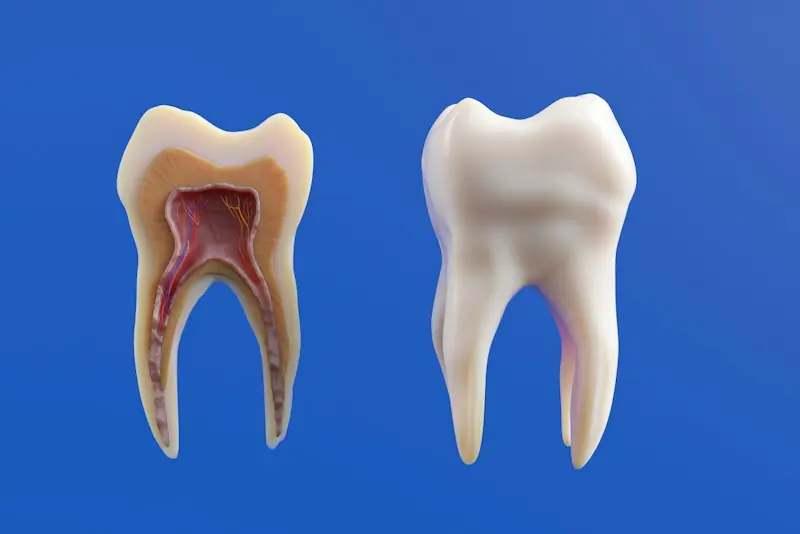
- Sensitive to hot or cold after the break: the inner layer may be exposed; see a dentist soon
- Pink or red spot in the broken area, or strong pain: the nerve may be exposed; see a dentist the same day
- Tooth loose, pushed in or knocked out: urgent
Treatments a dentist may suggest
- Smoothing a small chip, or bonding with tooth-coloured filling material
- Reattaching the broken piece in some cases
- A crown (cap) when a large part of the tooth is lost
- Root canal treatment if the nerve is exposed or infected
- Extraction only if the tooth cannot be restored, with options to replace it
Go to a hospital now if
Seek emergency care for:
- A blow to the head, loss of consciousness, vomiting or confusion
- A suspected broken jaw or teeth that no longer meet properly
- Bleeding that does not stop with pressure
- Swelling that affects breathing or swallowing
Frequently asked questions
Can a chipped tooth be fixed in one visit?
Small chips can often be smoothed or bonded in one visit. Larger breaks may need a crown or root canal treatment over more visits.
Can a dentist tell how serious it is from photos?
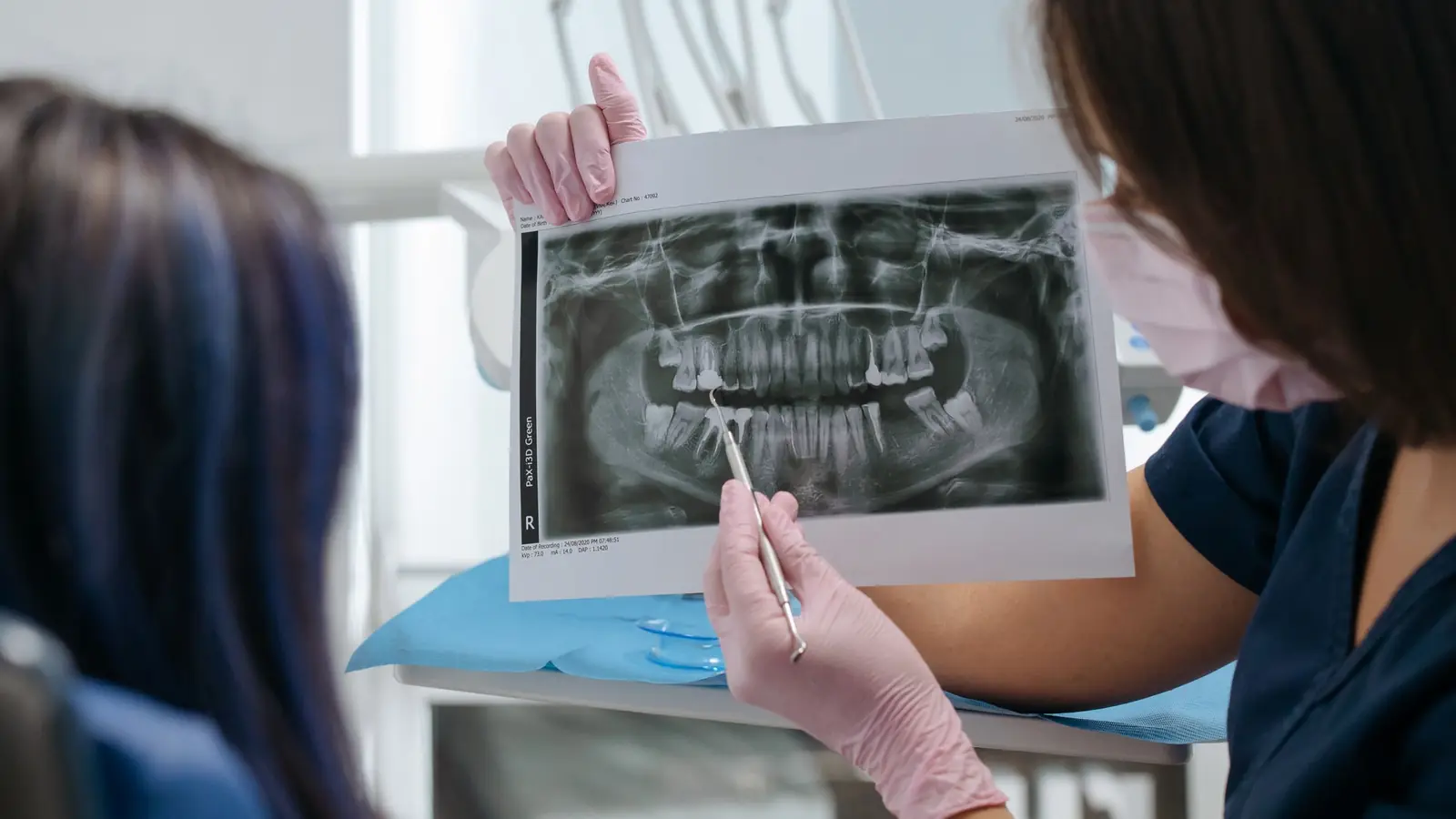
Clear photos help a dentist judge urgency and the likely treatment in an online consultation. Cracks and nerve damage often need an in-person examination and X-ray to confirm.
My child chipped a tooth. What should I do?
Follow the same first steps and keep any broken piece. Children's teeth should be checked soon, even if there is no pain, because the injury can affect the nerve or the adult tooth underneath.